
Search Questions
Search

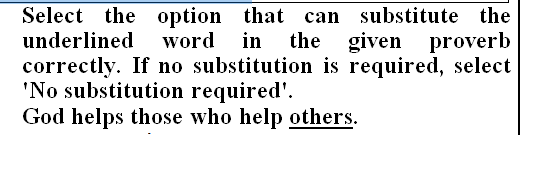




Q: Which of the following type of lime is manufactured by burning marble, white chalk, calcareous tufa, pure lime stone, sea shell and coral?
- A. Hydraulic lime
- B. Fat lime
- C. Hydrated lime
- D. Lump lime
Correct Answer:
Option B - Pure/Fat/Rich/Quicker lime–It's lime obtain from burning of limestone, marble, white chalk, seashells, coral.
• It is pure lime. It contain about 95-97% of CaO, thus impurities constitute hardly 5% when water is added, it slakes vigorously and its volume increase 2-2.5 time.
Hydraulic lime–The hydraulic lime is further classified into three sub type on the basis of hydraulicity of the lime.
(i) Class A (Eminently hydraulic lime)–Clay content (20-30%), set under water in 24 hour
(ii) Class B (Moderately Hydraulic)–Clay content (10-20%), set under water in about a week.
(iii) Feebly hydraulic lime (Class C)–Clay content (5-10%), set under water within a month or more.
Lump lime–Lime is obtained from kilns is generally in the shape of solid lump it is termed as lump line.
B. Pure/Fat/Rich/Quicker lime–It's lime obtain from burning of limestone, marble, white chalk, seashells, coral.
• It is pure lime. It contain about 95-97% of CaO, thus impurities constitute hardly 5% when water is added, it slakes vigorously and its volume increase 2-2.5 time.
Hydraulic lime–The hydraulic lime is further classified into three sub type on the basis of hydraulicity of the lime.
(i) Class A (Eminently hydraulic lime)–Clay content (20-30%), set under water in 24 hour
(ii) Class B (Moderately Hydraulic)–Clay content (10-20%), set under water in about a week.
(iii) Feebly hydraulic lime (Class C)–Clay content (5-10%), set under water within a month or more.
Lump lime–Lime is obtained from kilns is generally in the shape of solid lump it is termed as lump line.
Explanations:
Pure/Fat/Rich/Quicker lime–It's lime obtain from burning of limestone, marble, white chalk, seashells, coral. • It is pure lime. It contain about 95-97% of CaO, thus impurities constitute hardly 5% when water is added, it slakes vigorously and its volume increase 2-2.5 time. Hydraulic lime–The hydraulic lime is further classified into three sub type on the basis of hydraulicity of the lime. (i) Class A (Eminently hydraulic lime)–Clay content (20-30%), set under water in 24 hour (ii) Class B (Moderately Hydraulic)–Clay content (10-20%), set under water in about a week. (iii) Feebly hydraulic lime (Class C)–Clay content (5-10%), set under water within a month or more. Lump lime–Lime is obtained from kilns is generally in the shape of solid lump it is termed as lump line.Address
12, Church Ln, The Adelphi, Allen Ganj, Prayagraj, Uttar Pradesh 211002
+91 9554973128
info.yctbooks@gmail.com
Download Our App