
Search Questions
Search
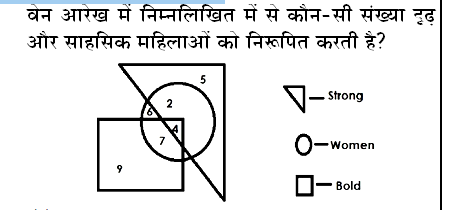


Q: निर्देश:–अधोलिखितं गद्यांशं पठित्वा तदाधारितप्रश्नानां (प्रश्नसंख्या 153.-161) विकल्पात्मकोत्तरेषु उचिततमम् उत्तरं चिनुत। एकदा दशबालका: स्नानाय नदीम् अगच्छन्। ते निर्मले शीतले च नदीजले चिरं स्नानम् अकुर्वन्। तत: ते तीर्त्वा पारं गता:। तदा तेषां नायक: अपृच्छत् – अपि सर्वे बालका: नदीम् उत्तीर्णा:? इति। तदा कश्चित् बालक: अगणयत् – एक:, द्वौ, त्रय:, चत्वार:, पञ्च, षट्, सप्त, अष्टौ, नव इति। स: स्वं न अगणयत्। अत: स: अवदत् – नव एव सन्ति। दशम: न अस्ति इति। अपर: अपि बालक: पुन: अन्यान् बालकान् अगणयत्। तदा अपि नव एव आसन्। अत: ते निश्चयम् अकुर्वन् यत् दशम: नद्यां मग्न: इति। ये दु:खिता: तूष्णीम् अतिष्ठन्। तदा कश्चित् पथिक: तत्र आगच्छत्। स: तान् बालकान् दु:खितान् दृष्ट्वा अपृच्छत् – बालका: युष्माकं दु:खस्य कारणं किम्? इति। बालकानां नायक: अकथयत् – वयं दश बालका: स्नातुम् आगता:। इदानीं नव एव स्म:। एक: नद्यां मग्न: इति। पथिक: तान् अगणयत्। तत्र दश बालका: एव आसन्। स: नायकम् आदिशत्-त्वं बालकान् गणय इति। स: तु नव बालकान् एव अगपायत्। तदा पथिक: अवदत् – दशम: त्वम् असि इति। तत् श्रुत्वा प्रहृष्टा: भूत्वा सर्वे गृहम् अगच्छन्। कस्य वचनं श्रुत्वा प्रसन्ना: भूत्वा बालका: गृहम् गतवन्त:?
- A. अध्यापकस्य
- B. प्रथमगणकस्य
- C. पथिकस्य
- D. नायकस्य
Correct Answer:
Option C - `पथिकस्य' वचनं श्रुत्वा प्रसन्ना: भूत्वा बालका: गृहम् गतवन्त: अर्थात् राही (पथिक) के वचन को सुन करके प्रसन्न होकर बालक घर गया। पथिक: तान् अगणयत्। तत्र दश बालका: एव आसन्। स: नायकम् आदिशत् –त्वं बालकान् गणय इति। स: तु नव बालकान् एव अगणयत्। तदा पथिक: अवदत् दशम: त्वम् असि इति।
तत् श्रुत्वा प्रहृष्टा: भूत्वा सर्वे गृहम् अगच्छन्।
C. `पथिकस्य' वचनं श्रुत्वा प्रसन्ना: भूत्वा बालका: गृहम् गतवन्त: अर्थात् राही (पथिक) के वचन को सुन करके प्रसन्न होकर बालक घर गया। पथिक: तान् अगणयत्। तत्र दश बालका: एव आसन्। स: नायकम् आदिशत् –त्वं बालकान् गणय इति। स: तु नव बालकान् एव अगणयत्। तदा पथिक: अवदत् दशम: त्वम् असि इति।
तत् श्रुत्वा प्रहृष्टा: भूत्वा सर्वे गृहम् अगच्छन्।
Explanations:
`पथिकस्य' वचनं श्रुत्वा प्रसन्ना: भूत्वा बालका: गृहम् गतवन्त: अर्थात् राही (पथिक) के वचन को सुन करके प्रसन्न होकर बालक घर गया। पथिक: तान् अगणयत्। तत्र दश बालका: एव आसन्। स: नायकम् आदिशत् –त्वं बालकान् गणय इति। स: तु नव बालकान् एव अगणयत्। तदा पथिक: अवदत् दशम: त्वम् असि इति। तत् श्रुत्वा प्रहृष्टा: भूत्वा सर्वे गृहम् अगच्छन्।Address
12, Church Ln, The Adelphi, Allen Ganj, Prayagraj, Uttar Pradesh 211002
+91 9554973128
info.yctbooks@gmail.com
Download Our App